

What the First Days of 2026 Are Revealing
The year just began, but immigration enforcement is already shifting. ICE enforcement is escalating as 2026 begins, with decisions paused, detention growing deadlier, and new tools expanding arrests.
These developments are connected. Together, they show how much enforcement has changed heading into 2026.
Early 2026 Enforcement Trends You Need to Know
Across the United States, the early weeks of 2026 show a clear shift in immigration enforcement tactics. Multiple legal organizations report a rise in interior arrests, including those occurring during routine encounters such as traffic stops, workplace checks, and community visits. Federal guidance issued late in 2025 also expanded the criteria for “security-related review,” prompting officers to re-examine documents from individuals connected to high-risk regions or countries with limited data reliability. This change has led to increased interview notices, requests for additional evidence, and case reviews that slow approvals even when applicants have lived in the U.S. for years.
Technology integration has also accelerated. Facial recognition tools, license-plate data, and previously unused biometric information are now being deployed more frequently. Civil rights organizations have raised privacy concerns, warning that this rapid identification capability increases the risk of instant detention before an applicant can access legal support.
Immigration lawyers nationwide anticipate that 2026 may bring even more vetting changes, review pauses, and aggressive enforcement patterns. For families navigating the system, awareness and preparation are no longer optional. Understanding trends early in the year allows individuals to adjust their strategy, update documents, and prepare strong legal protections before risks escalate further.
A New Pause Is Reshaping Immigration Reviews
Immigration authorities have begun pausing final decisions on cases tied to certain high-risk countries. Applications will still move through the system, but no approvals or denials will be issued during this pause.
This guidance applies to both new and existing cases. Some applications approved on or after January 20, 2021, may also be reviewed again.
People may be affected if they were born in, hold citizenship from, or obtained citizenship through investment in certain listed countries. Those traveling with documents issued by the Palestinian Authority are also included.
Immigration officers are re-examining identity, background history, and document reliability. Some applicants may be called for new or repeat interviews.
Because records from certain countries are considered unreliable, officers are demanding stronger proof. Missing or inconsistent documents can now cause significant delays.
There is no announced end date for this pause. Only limited exceptions may move forward, and those require high-level approval.
Detention in 2025 Was the Deadliest in Decades
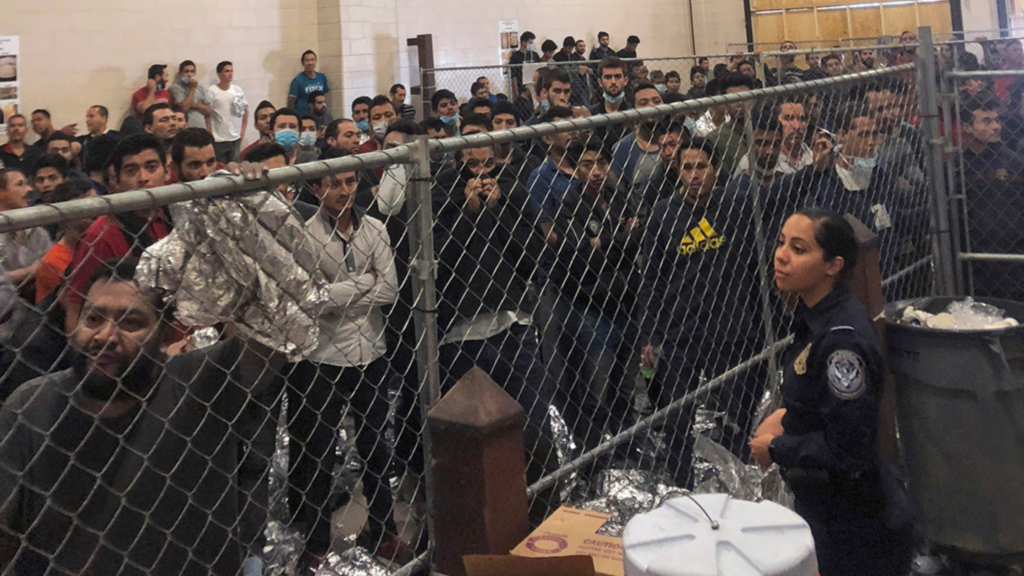
Detention Became Deadlier in 2025
New data confirms that 2025 was the deadliest year in ICE custody in over two decades. At least thirty-one (31) people died while detained.
Reports point to overcrowding, delayed medical care, and prolonged detention as contributing factors. Families describe loved ones asking for help repeatedly, only to be ignored until it was too late.
These deaths happened inside a system meant to hold people safely while their cases were processed.
Being taken into custody now carries risks that cannot be ignored or minimized.
This is why legal protection before any encounter matters. Avoiding detention altogether can be the difference between safety and irreversible loss.
ICE Is Using Facial Recognition During Arrests

New reporting shows ICE officers are using a facial recognition app called Mobile Fortify during field encounters. The app allows officers to identify people and access past immigration records instantly.
This technology can be used during routine stops, not just targeted investigations. Civil rights experts warn that it raises serious privacy and due process concerns.
An ordinary encounter can now trigger immediate identification and arrest.
Families Are Being Separated During Deportations

A new nonprofit report says ICE is deporting some parents without their children. In several cases, children were left behind without clear plans or protections.
Advocates say these separations are causing renewed trauma for families. They also raise serious questions about child welfare and legal safeguards.
This is deeply alarming for many families.
Why Qazi Law Is the Right Choice

The start of 2026 has shown that immigration enforcement is changing quickly, and families need strong guidance more than ever. At Qazi Law Offices, we stay ahead of policy changes as they happen. We review cases carefully, prepare strong documentation, and respond quickly to new requests.
We guide clients through pauses, reviews, and interviews with clarity and care. Most importantly, we protect your rights and your peace of mind.
If you have a pending case or are planning to file, now is the time to review your options.
Call 630-504-0648 or click here to arrange a meeting with an expert and to protect your future.
Sign up for our Newsletter for the latest immigration updates.
Follow us on social media for real-time guidance and support:
Facebook: Qazi Law Offices
Instagram: Abogada Farrah Qazi
LinkedIn: Qazi Law Offices
You deserve clarity, safety, and a legal team that stands with you every step of the way.